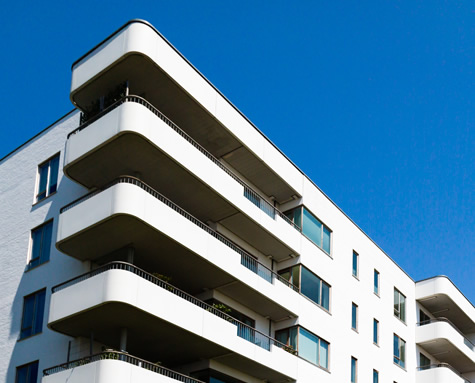
Short answer: Choose an Ankara district by comparing your real door-to-door commute, total monthly housing cost, access to rail and daily services, the building’s technical and legal condition, parking, street gradient, noise and your likely needs over the next several years. There is no single “best district” for everyone. The right address is usually the neighbourhood and building that create the least friction in your own weekly routine.
Ankara is a metropolitan province with 25 districts and a very wide urban footprint. District names are useful for an initial search, but they are too broad for a final housing decision. Two neighbourhoods within the same district, or even two streets within one neighbourhood, may differ substantially in transport, construction quality, elevation, parking, social facilities and night-time atmosphere. This guide offers a practical method for tenants, owner-occupiers and international buyers. You can use the current property listings to build a shortlist, then test every candidate against the criteria below.
What matters most when choosing where to live in Ankara?
Start with seven dimensions: commute reliability, complete housing cost, building and title due diligence, access to education and healthcare, everyday walkability, suitability for your household, and future flexibility. The weights are personal. A family may prioritise a school route and safe walking environment. A diplomat or consultant may need predictable access to central business areas. A remote worker may value quiet rooms and reliable internet more than proximity to Kızılay. An investor should think about sustainable tenant demand rather than choosing a home solely on personal taste.
- Daily route: Measure the journey from the front door to work, school, hospital or care responsibilities at the hours you will actually travel.
- Complete cost: Add service charges, heating, transport, parking, insurance and first-year repairs to the advertised rent or purchase payment.
- Building quality: Review permits, occupancy status, maintenance, common areas and signs of unauthorised alteration; do not rely on age alone.
- Micro-location: Test the exact street for gradient, noise, lighting, pedestrian access, winter usability and parking pressure.
- Household fit: Consider storage, home-office space, lift access, accessibility and outdoor needs as well as bedroom count.
- Exit flexibility: Ask how easily the home could be re-let or sold if your work, family or residence plans change.
Choose a daily-life corridor, not a famous district name
A common mistake is to treat physical distance to the city centre as a reliable proxy for convenience. In Ankara, the useful figure is the complete journey: walk to the stop, expected waiting time, transfer, final walk and peak-hour delay. A home farther from the centre but within a comfortable walk of a rail station may produce a more predictable day than a nominally central home that depends on congested roads or several bus connections.
Test the journey on a weekday morning and evening. Do not rely only on the optimistic time shown by a map at midday. If you drive, include the queue to leave a large residential complex, junction congestion, parking at the destination and the effect of steep local streets in winter. If you use public transport, check the current EGO network rather than an old property description. Ankara’s M1, M2, M3 and M4 metro corridors and the A1 Ankaray line serve different axes; the phrase “the district has metro access” says little about the walk from a particular building.
Convert distance into both money and time. A less expensive home can become costly after fuel, parking, vehicle wear or repeated transfers. An additional seventy minutes of travel each working day is roughly twenty-five hours of personal time in a typical month. For a person who attends an office five days a week, this may be more consequential than a modest difference in rent.
How do Ankara’s main residential district types compare?
The following matrix is not a ranking. It describes broad residential patterns that can help you design a search. Conditions vary by neighbourhood, street, development and building, so every point must be verified at micro-location level.
| District or corridor example | Typical residential profile | Potential advantages | Checks that deserve extra attention |
|---|---|---|---|
| Çankaya | Central employment, universities, public institutions, culture and established neighbourhoods | Extensive services, varied lifestyles and strong transport on selected corridors | Older stock, parking, street noise, gradients and large price differences between neighbourhoods |
| Yenimahalle and Batıkent | Established family areas, planned neighbourhoods and access to employment zones | Rail access near parts of the M1 corridor and a broad range of apartment types | Actual station walk, service charges, major-road exposure and proximity to industrial activity |
| Etimesgut and Eryaman | Large residential developments, newer stock and family-oriented site living | Options near the M3 corridor, parking and shared facilities in many compounds | Peak commute, recurring site fees, school access and car dependence outside rail catchments |
| Gölbaşı | Lower-density living, compounds, detached homes and open-space appeal | More space and alternatives for households seeking a quieter environment | Private-car dependence, infrastructure, parcel documentation and travel to central destinations |
| Keçiören | Dense, established communities with active neighbourhood commerce | Daily services and transport opportunities near parts of the M4 corridor | Topography, traffic, parking pressure, building maintenance and street-by-street density |
| Mamak | A mixture of established districts, redevelopment and expanding residential areas | Different budget levels and possible value in well-connected micro-locations | Large differences between neighbourhoods, planning status, documents and transport reliability |
| Sincan | Western residential and employment corridor with industrial connections | Broader affordability range and access near M3 or suburban rail nodes | Journey to central Ankara, station access, environmental effects and the household’s work location |
| Altındağ | Historic urban areas, dense quarters and renewal zones | Potential central access and a wide variety of housing formats | Street-level environment, building stock, title details and the status of renewal projects |
Is Çankaya automatically the safest choice?
No. Çankaya is a strong candidate for many households because it contains business areas, universities, government institutions, healthcare, restaurants and cultural amenities. It is also internally diverse. An older apartment in Kavaklıdere, a compound near the Çayyolu corridor and a lower-density southern neighbourhood do not produce the same cost, commute or maintenance obligations.
Paying for a central postcode while accepting a building without a lift, parking or adequate insulation may reduce quality of life. Conversely, moving into a new compound with extensive facilities can create high recurring fees and car dependence. Compare the result of the whole package, not the district’s reputation.
What should different households prioritise?
Families with children
Measure the school journey rather than the straight-line distance. Observe pedestrian crossings, morning traffic, school-bus access and whether a child can gradually gain age-appropriate independence. Parks, a family health centre, pharmacy and everyday shopping often matter more than a decorative facility inside a compound. Ask what happens if the preferred school changes: is the home connected to several education corridors or dependent on one route?
Students and early-career professionals
Fast access to one campus or office is important, but so are a safe evening return, grocery and food options, internet service, utility costs and a layout suitable for sharing. Proximity to rail generally improves flexibility. It can also bring a price premium, smaller floor area or main-road noise, and those trade-offs should be priced explicitly.
Remote and hybrid workers
Do not count rooms without evaluating their use. Daylight, acoustic separation, power sockets and reliable fixed internet can be more valuable than a nominal extra bedroom. Visit at midday to detect construction, commercial deliveries, school noise, lift machinery or plant rooms that may be invisible during an evening viewing.
Older residents and people with mobility needs
An address can look convenient on a map and remain difficult in practice because of a steep street, broken pavement, steps before the lift or limited door widths. “Building with lift” does not mean step-free access from pavement to apartment. Walk the route to transport and essential services, considering winter conditions as well as fair weather.
International residents
Learn the local address hierarchy: ilçe means district and mahalle means neighbourhood. Search portals often foreground the district, while daily life is decided more precisely by the neighbourhood and street. Confirm residence-related administrative requirements with the competent authority rather than assuming that a property advertisement proves eligibility. If you do not read Turkish, obtain independent translation for the lease, title documents, management plan and official notices.
Calculate the complete cost of living in the property
Sorting homes only by advertised price creates false comparisons. Two apartments with the same rent can have very different service charges, heating performance, parking costs and commuting expenses. For a purchase, the mortgage instalment is only one part of the first-year cost; title procedures, valuation, insurance, moving, decoration and immediate repairs must be budgeted separately.
- Monthly rent or loan payment, deposit and the cash tied up at the start.
- Average building or compound fee over the previous twelve months, plus planned major work.
- Heating system, past consumption examples, insulation and the apartment’s position in the building.
- Fuel, public-transport passes, transfers, destination parking and car usage generated by the location.
- School transport, childcare routes or recurring access to healthcare.
- Painting, plumbing, appliances, security changes, furniture and moving during the first year.
- The personal value of additional hours spent travelling every week.
Preserve a contingency after paying for the home. A prestigious district is not a sound choice if the housing commitment removes the household’s capacity to absorb repairs, income interruption or family change.
Building age is not a complete safety assessment
A new building is not automatically defect-free, and an older building is not automatically unsafe. A responsible review considers the construction permit, occupancy permit, title type, approved plans, signs of structural alteration, waterproofing, installations and documented maintenance. For a purchase, independent technical inspection and legal review are safeguards against an expensive mistake, not optional decoration.
Visit the basement, parking and common areas. Persistent damp, corrosion, substantial cracking, damaged drainage, enclosed common space or additions that appear inconsistent with the plan require professional assessment. Do not make a structural conclusion from one visual symptom, but do not accept an agent’s casual assurance that every issue is cosmetic.
Ground and hazard conditions can vary below district scale. Statements such as “this entire district is safe from earthquakes” are too broad to support a purchase. Evaluate the parcel information, geotechnical records where available, the building design and the current condition together. The same discipline applies to drainage, slope and retaining structures.
How to perform a micro-location audit
After choosing two or three districts, move the decision to street level. Visit each candidate on a weekday morning, a weekday evening and a weekend. Open and close the windows. Listen for traffic, schools, event venues, workshops, deliveries and continuing construction. Test mobile reception, ask about available fixed-internet providers, inspect water pressure and observe the lighting of entrances and shared areas.
- Walk from the building to the station or bus stop and time the complete route.
- Visit the nearest grocery shop, pharmacy, healthcare point and usable green space rather than trusting map icons.
- Return after dark to assess lighting, pedestrian activity and the route from public transport.
- If you drive, verify the legal or allocated parking right, entrance geometry and realistic street parking.
- Inspect gradients, shaded sections and pavement continuity with winter conditions in mind.
- Research nearby vacant parcels, major works or development that may alter noise, sunlight or views.
- Ask the building manager for documented information about fees, planned repairs and recurring problems.
- Speak to more than one resident where possible; distinguish consistent evidence from one person’s opinion.
Renting and buying require different time horizons
A tenant can give more weight to immediate convenience and monthly cost because relocation is comparatively flexible. The lease, deposit, included fixtures, fee allocation and termination conditions still need careful review. An owner-occupier must add a five-to-ten-year view: likely household changes, major building maintenance, sustainable area demand and the legal status of the property.
An investment purchase should be tested against the needs of a defined tenant group, not the buyer’s own ideal home. A cluster of new projects does not guarantee capital appreciation. New supply, vacancy, compound fees, transport access and the time taken to rent comparable units all matter. For a building-level comparison and evidence-based shortlist, you can consult our real estate advisors.
Common mistakes when searching for a home in Ankara
- Paying for the district label: assuming every neighbourhood shares the district’s reputation.
- Viewing at only one time: seeing a quiet street at weekend lunchtime and missing weekday congestion or night-time activity.
- Accepting “close to metro”: failing to measure the walk, gradient, crossing and transfer.
- Ignoring recurring fees: comparing rent while excluding substantial compound costs.
- Confusing gross and usable area: accepting the advertised square metres without checking the plan.
- Leaving documents until the end: becoming emotionally committed before title, permit and management checks.
- Assuming south-facing solves everything: overlooking insulation, glazing, floor position and heating system.
- Forgetting future needs: ignoring remote work, children, older relatives, accessibility or an additional vehicle.
A simple 100-point decision model
Score every shortlisted home with the same framework. One example is: commute 25 points, building and legal condition 20, complete cost 20, everyday services 15, internal layout 10, noise and local environment 5, future letting or resale flexibility 5. Change the weights to match your life, but do not change the rules for a home you happen to like.
Create a separate list of non-negotiable conditions. A lift, maximum forty-five-minute commute, verified legal documents or a firm monthly spending ceiling may be pass/fail requirements. A high total score should not rescue a property that fails an essential condition.
Frequently asked questions
Which is the best district to live in Ankara?
There is no universal best district. Çankaya may suit central work and service access; parts of Yenimahalle and Batıkent may offer useful rail connections; Etimesgut and Eryaman provide many compound options; Gölbaşı can suit lower-density preferences. Your work or school route, budget and housing type determine the answer.
Which Ankara districts are suitable for families?
Families should first define school access, parks, healthcare, pedestrian safety, internal layout and complete cost. Parts of Çankaya, Yenimahalle, Etimesgut and Gölbaşı can serve different family profiles, but suitability changes by neighbourhood and building.
Is a home near the metro always better?
It can improve commute reliability and future tenant demand, but only after checking the real walk, price premium, noise and crowding. Step-free, safe and direct access is more valuable than a short distance on a map that requires difficult crossings or a steep climb.
Should I choose a new compound or an older central apartment?
A new compound may offer parking, security, lifts and amenities, while creating higher fees and car dependence. An older central apartment may reduce travel time but require maintenance and compromise on parking or insulation. Compare complete monthly cost and weekly time, not construction year alone.
How many times should I visit a neighbourhood?
Visit at least three times: weekday morning peak, weekday evening and weekend. For a long-term purchase, add a night visit and, when practical, observe the route during rain, school arrival or another demanding condition.
Final checklist before committing
- I measured door-to-door work and school journeys during peak conditions.
- I calculated service charges, heating, transport and first-year costs in addition to rent or finance.
- I assessed district, neighbourhood, street, building and apartment as separate layers.
- I planned checks of title, permits, occupancy status, approved plans and management records.
- I inspected the basement, common areas, parking and lift rather than only the apartment.
- I tested noise, gradient, lighting, pedestrian access and the street at different times.
- I verified internet, mobile signal and access to shopping, healthcare, education and open space.
- I compared at least two alternatives using the same scoring system.
- I wrote down my non-negotiable needs and total monthly limit before negotiation.
- I identified questions that require independent technical, legal or translation support.
Conclusion: the right district is the one that reduces everyday friction
A strong Ankara housing decision is analytical rather than fashionable. It combines repeated travel time, complete cost, building quality, daily services and future household plans. Treat the district as one search layer and the home as more than a floor-area figure. Ask how the address will change your time, financial resilience and ability to move through the city every day.
If you would like to compare your shortlist, examine local comparables or build a purchase or rental plan around your actual routine, contact our team. We will start with budget, destinations, household needs and non-negotiable conditions, then explain why a property fits instead of merely calling it popular.